🌋 Planet Earth 🧊 Ice and springs
Glaciers
📖 In short
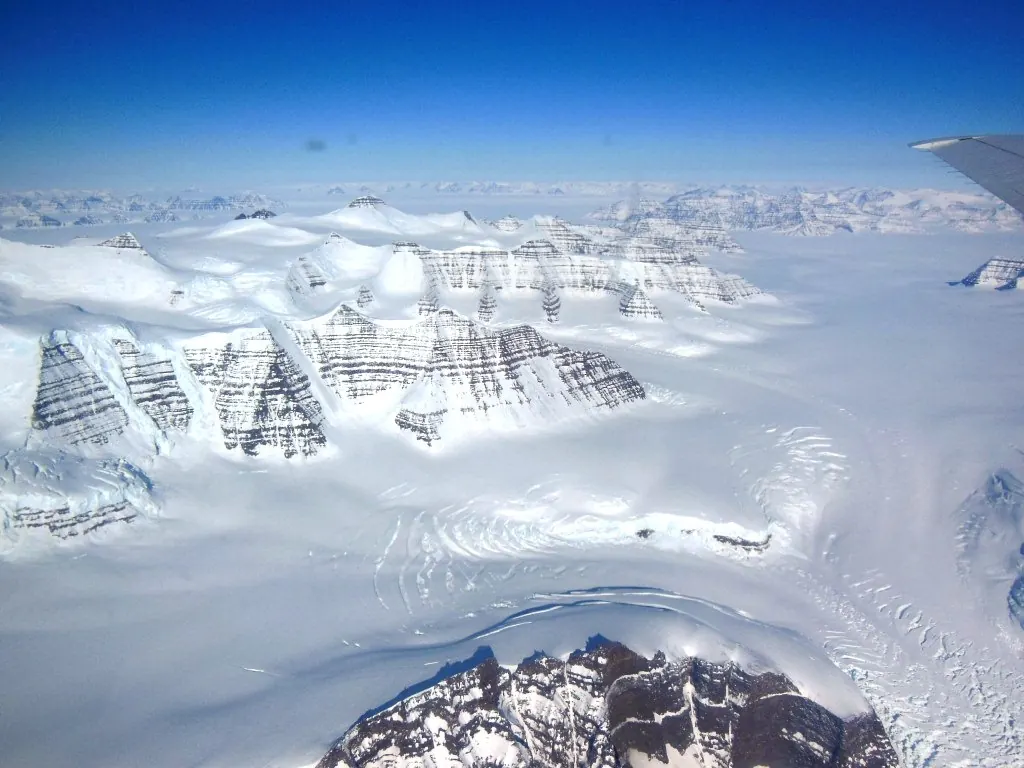
A glacier is a huge mass of ice that moves very slowly over the land, like a frozen river. Glaciers form in polar regions and on high mountain tops, where snow piles up for many years and turns to ice.
🤩 Did you know?
- The Malaspina Glacier in Alaska covers more than 2000 square kilometers.
- New Zealand's Tasman Glacier is about 29 kilometers long.
- Glaciers hold most of the world's fresh water.
- Many glaciers are melting today because the Earth is warming.
🔎 Find out more
🌟 How do they form?
When snow falls year after year without melting, its layers pile up and press down until the snow turns into hard blue ice, forming a glacier.
🔍 It moves slowly
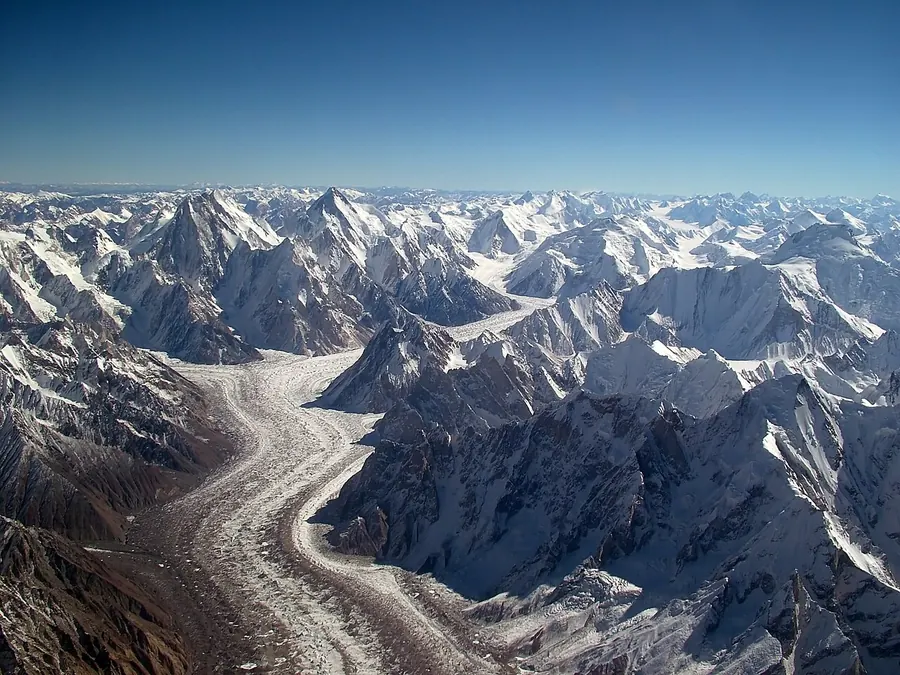
A glacier slides very slowly down the mountain because of its weight, usually moving less than 30 centimeters a day, though sometimes it speeds up.
💡 It carves the land
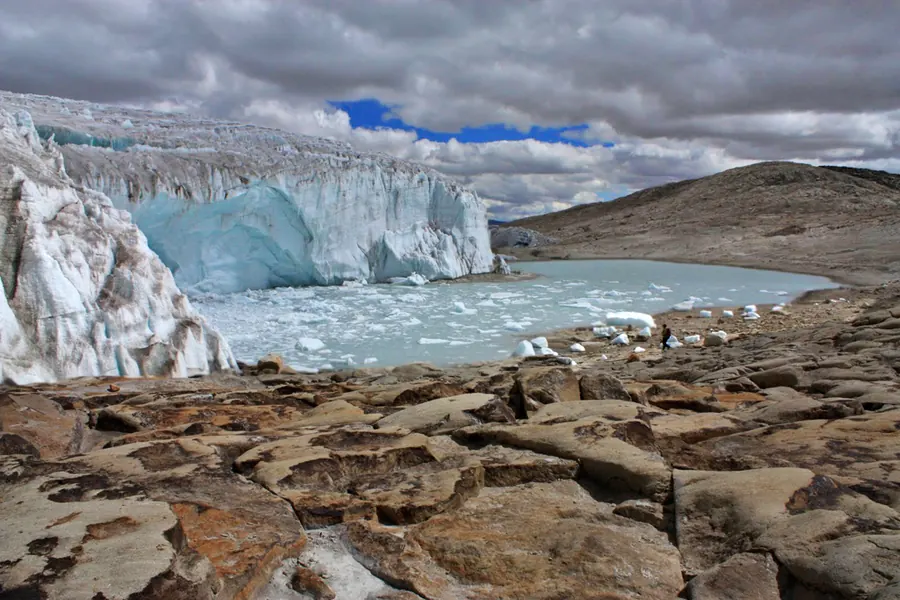
As it moves, a glacier scrapes rocks and carries stones along, digging deep valleys and making fjords and lakes.
🎯 Floating mountains of ice
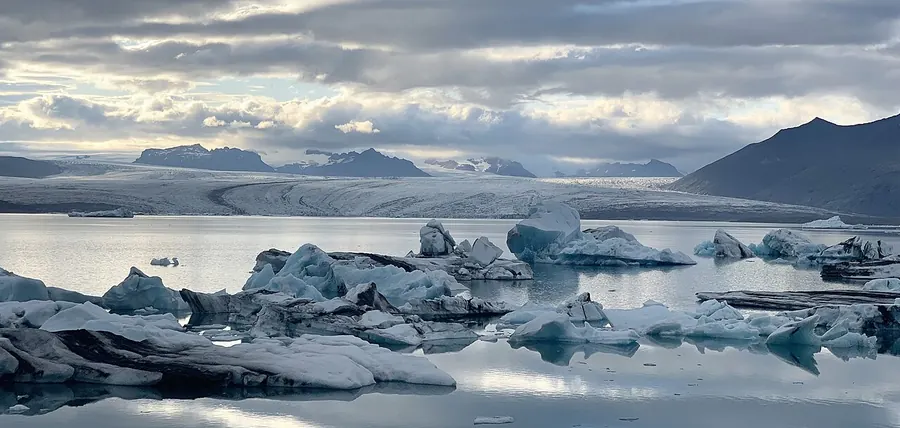
When a glacier reaches the sea, huge pieces break off and float away as icebergs. Most of an iceberg is hidden underwater!
📸 More pictures
🧩 Test yourself
1 What do we call a huge piece of ice floating in the sea?
2 How does a glacier move?
3 New Zealand's Tasman Glacier is about ?? kilometers long.
4 Which picture shows “Glaciers”?
🌋 Discover more
📷 Picture sources: Wikimedia Commons
- NASA / Christy Hansen · Public domain
- Guilhem Vellut from Paris · CC BY-SA 2.0
- Edubucher · CC BY-SA 3.0
- DCheretovich · CC0


