🚀 Inventions and machines 🔧 Machines and tools
Locks
📖 In short
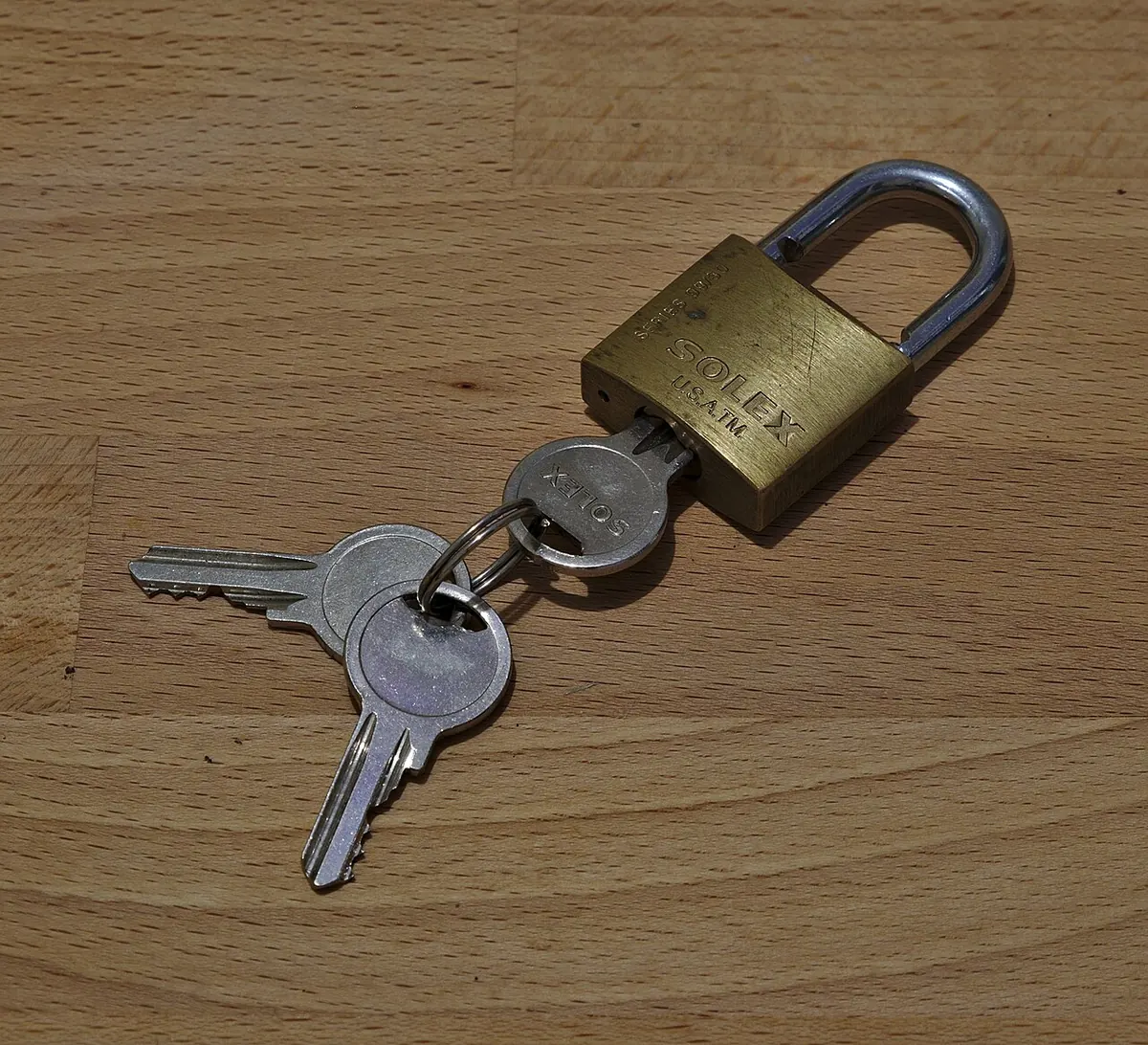
A lock is a device that stops a door, box or cupboard being opened except by someone with the right key or code. People use locks to protect their homes, valuables and bikes from theft.
🤩 Did you know?
- Linus Yale invented the modern cylinder lock in 1865.
- Locks work in three main ways: with wards, levers and pins.
- Some bank vaults have very heavy doors and complicated locks.
- Old keys were sometimes so big that people carried them on their shoulders.
🔎 Find out more
🌟 The first lock
The first lock with a key was made in ancient Egypt about 4000 years ago. It was a big wooden bolt with pegs in it, and a big wooden key that lifted the pegs.
🔍 How does a modern lock work?
In a modern lock, small pins of different lengths stop the cylinder turning. When you put in the right key, its teeth lift each pin to exactly the right height, so the cylinder turns and the lock opens.
💡 Locks without keys
There are locks that open with a secret number, and electronic locks that open with a card, a fingerprint or a phone.
🎯 Honesty matters more
Locks protect things, but honesty matters more than any lock. A Muslim takes care of other people's belongings and doesn't take what isn't theirs.
📸 More pictures
🧩 Test yourself
1 Where was the first lock with a key made?
2 What do electronic locks sometimes open with?
3 The first lock with a key was made in ancient Egypt about ?? years ago.
4 Which picture shows “Locks”?
🚀 Discover more
📷 Picture sources: Wikimedia Commons
- Trougnouf · CC BY 4.0
- John Hill · CC BY-SA 4.0
- Clemensmarabu · CC BY-SA 3.0


