🚀 Inventions and machines 🧪 Materials and safety
Safety
📖 In short
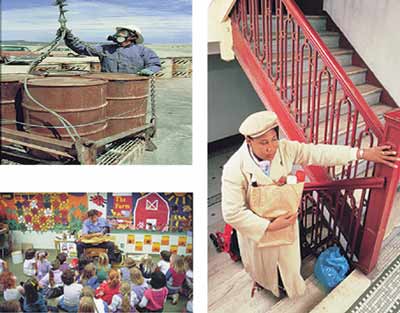
Safety means keeping away from harm and danger. Accidents can happen at home, at school, on the road or in water, but most can be prevented if we're careful and follow simple rules.
🤩 Did you know?
- Accidents are a major cause of injuries in the world, but most can be prevented.
- Drowning can happen quickly and quietly, so someone must always be watching.
- Yellow and red safety signs warn us of danger.
- Seat belts and helmets save many lives every day.
🔎 Find out more
🌟 Safety at home
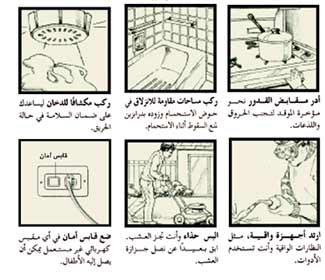
Don't touch electric sockets, keep away from the stove and hot things, don't play with medicines or cleaning products, and don't climb on chairs to reach high shelves.
🔍 Road safety
Cross the street at a crossing, look right and left, wait for the green pedestrian light, hold a grown-up's hand, and wear your seat belt in the car.
💡 Water safety
Only swim with a grown-up watching you, in safe places meant for swimming, and wear a life jacket on a boat.
🎯 In an emergency
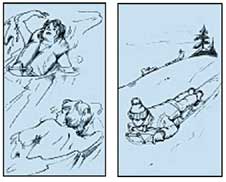
Learn your country's emergency number and know your address. If there's a fire, get out fast and don't go back for your toys, and if your clothes catch fire: stop, drop and roll.
📸 More pictures
🧩 Test yourself
1 Where do you cross the street?
2 What do you do if your clothes catch fire?
3 Which picture shows “Safety”?