🧪 Science 📏 Measuring and time
Time
📖 In short
Time is an amazing puzzle: we can't see it or touch it, yet we measure it and live with it every moment. Thanks to time we know when to wake up, when to pray and when to go to school. Without measuring time, people couldn't meet up and work together at the same hour.
🤩 Did you know?
- The Earth goes around the Sun in about 365 and a quarter days.
- A year has 12 months, and long ago the month was linked to the Moon's cycle.
- About every 4 years a day is added to February in a leap year.
- Atomic clocks are among the most precise tools for measuring time.
🔎 Find out more
🌟 The Earth is a giant clock
The Earth spins once a day, giving us night and day. It goes around the Sun once a year. And the Moon goes around the Earth about once a month. From these movements people took the day, the month and the year.
🔍 Hours and minutes
People divided the day into 24 hours, the hour into 60 minutes and the minute into 60 seconds. The number 60 came from the ancient Babylonians.
💡 The two calendars
The Hijri calendar follows the Moon's cycles, with months starting when the crescent is sighted, and its year is about 11 days shorter. The Gregorian calendar follows the Earth going around the Sun.
🎯 Time zones
When it's noon in your country, it may be night in a country on the other side of the Earth! That's why the Earth has been divided into time zones.
🧩 Test yourself
1 How many hours are in a day?
2 What is the Hijri calendar based on?
3 The Earth goes around the Sun in about ?? and a quarter days.
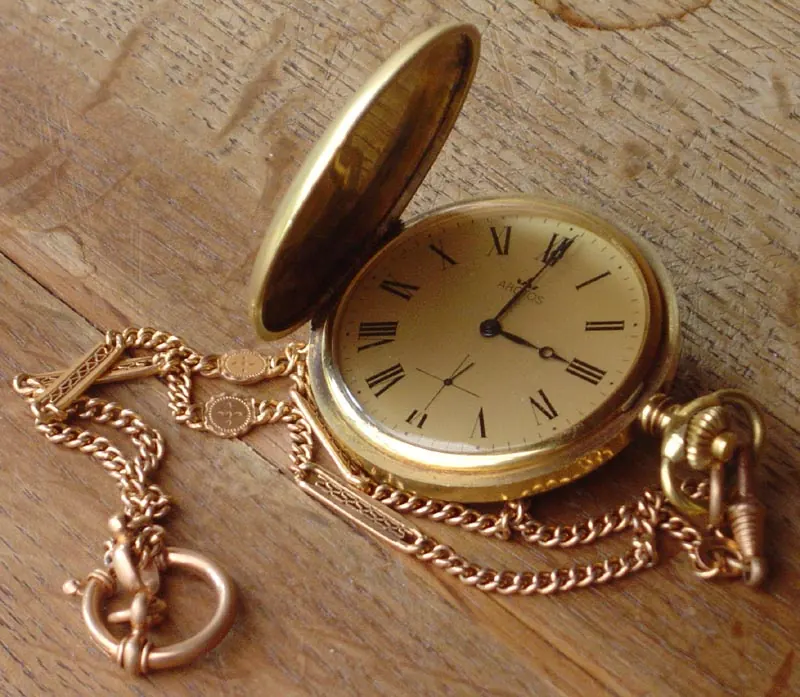
4 Which picture shows “Time”?
🧪 Discover more
📷 Picture sources: Wikimedia Commons
- Isabelle Grosjean ZA · CC BY-SA 3.0
