Vaccination
📖 In short
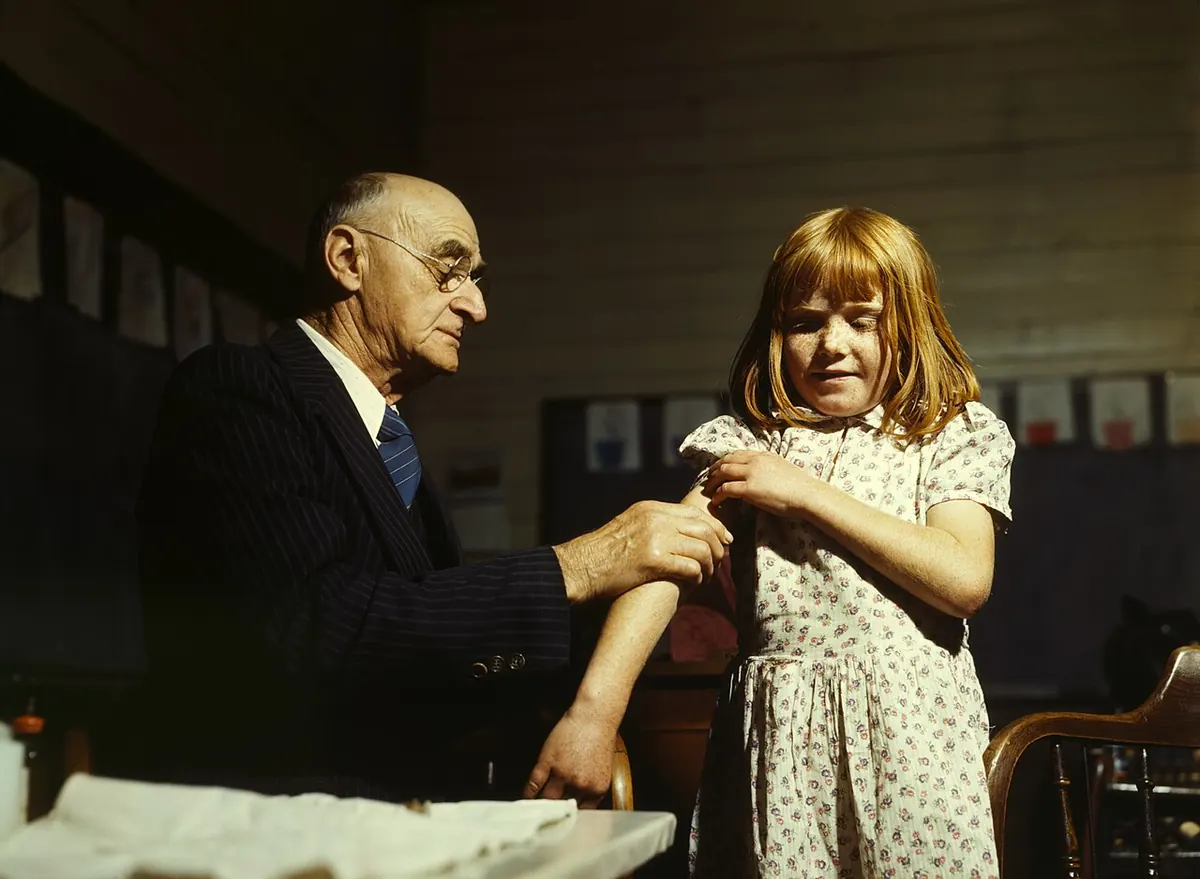
Vaccination means protecting the body from diseases before they strike, using vaccines. A vaccine teaches your body how to fight a particular germ, so if the real germ comes along one day, your body is ready to beat it.
🤩 Did you know?
- Edward Jenner introduced vaccination against smallpox in 1796.
- The World Health Organization announced that smallpox had been wiped out worldwide in 1980.
- Children get several vaccines in their first years, following a special schedule.
- Some vaccines need a booster dose after some years.
🔎 Find out more
🌟 How does a vaccine work?
A vaccine contains a weakened or dead germ, or a tiny part of one, which can't make you ill. But the immune system recognizes it, makes antibodies against it and remembers it for many years.
🔍 The first vaccine
More than 200 years ago the doctor Edward Jenner noticed that people who had caught a mild disease from cows didn't catch smallpox, a dangerous disease, so he made the first vaccine. Thanks to vaccines, smallpox has disappeared from the world.
💡 A little prick
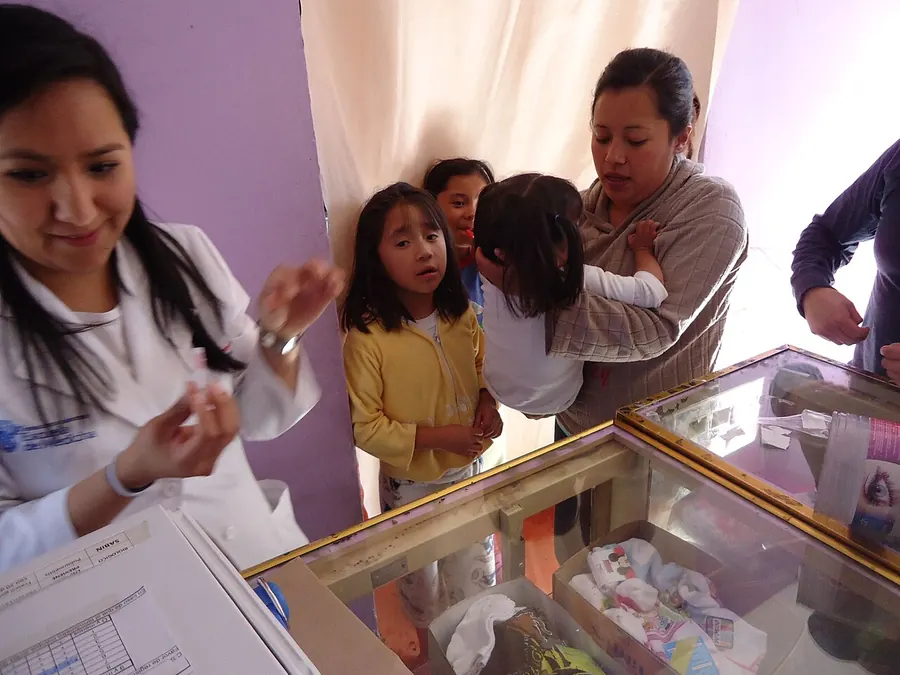
Most vaccines are given with a small needle in the arm, and some are drops in the mouth. The prick may hurt a little, but it protects you from serious diseases like measles and polio.
🎯 We protect each other
When most people are vaccinated, germs become rare and find it hard to spread from person to person, so we also protect babies and sick people who can't be vaccinated.
📸 More pictures
🧩 Test yourself
1 What does a vaccine teach your body?
2 Which disease has disappeared from the world thanks to vaccines?
3 More than ?? years ago the doctor Edward Jenner noticed that people who had caught a mild disease from cows didn't catch smallpox, a dangerous disease, so he made the first vaccine.
4 Which picture shows “Vaccination”?
🫀 Discover more
📷 Picture sources: Wikimedia Commons
- John Vachon(w) for the United States Farm Security Administration(w) · Public domain
- Paulette636 · CC BY-SA 3.0

