🌋 Planet Earth 💎 Rocks and minerals
Gold
📖 In short
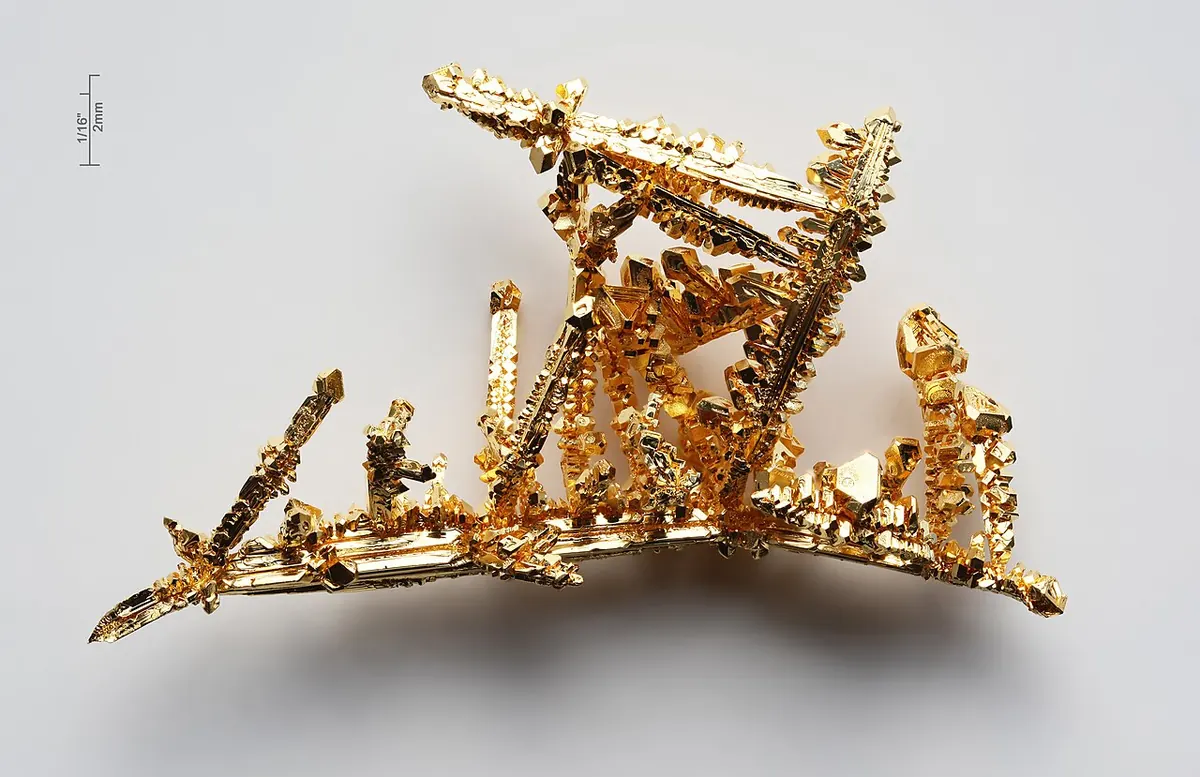
Gold is a beautiful, shiny yellow metal people have known for thousands of years, always a sign of wealth. It's made into jewelry, coins and crowns. One of its wonders is that it never rusts or loses its shine, even after thousands of years!
🤩 Did you know?
- Gold's chemical symbol is Au.
- The biggest gold nugget was found in Australia in 1869, weighing about 70 kilograms.
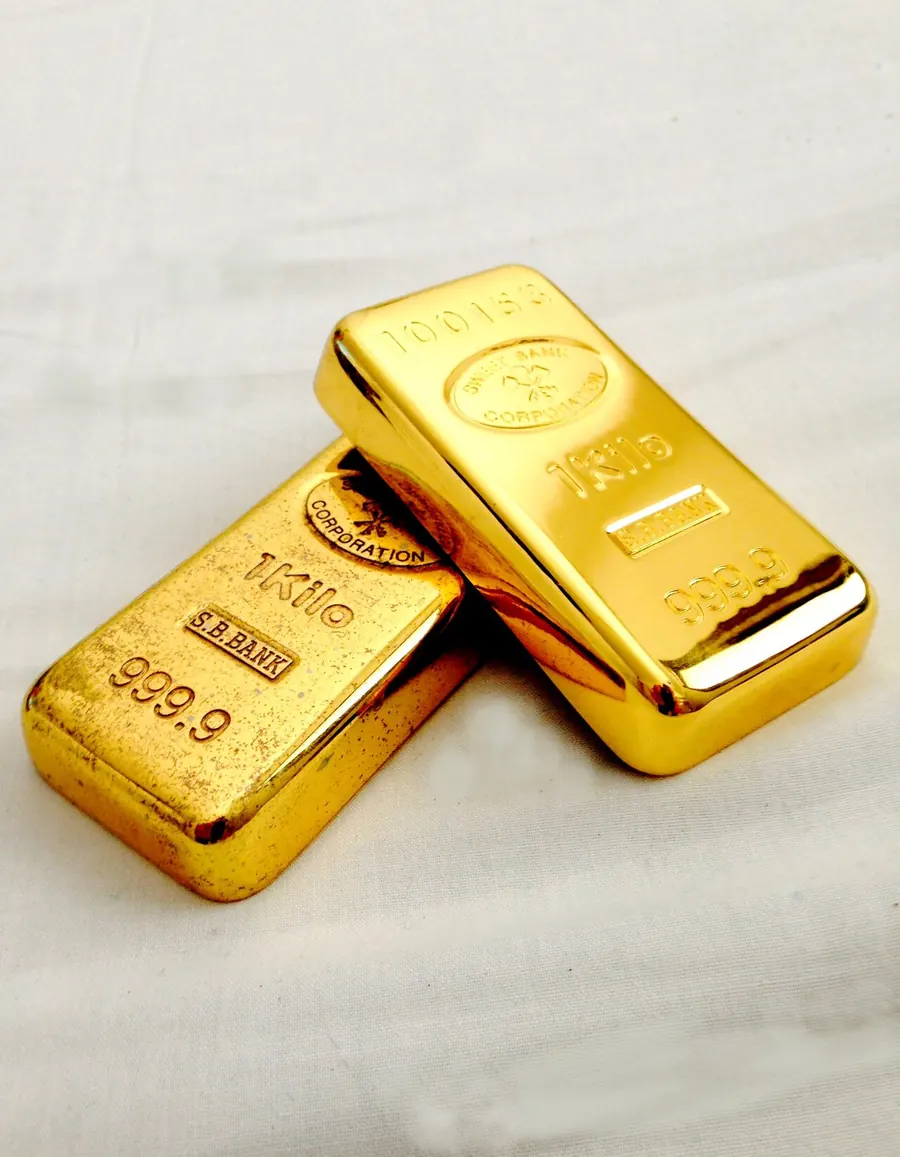
- Gold's purity is measured in karats, and pure gold is 24 karats.
- One gram of gold can be drawn into a wire more than two kilometers long.
🔎 Find out more
🌟 Very soft
Gold is a soft metal that can be hammered very thin, much thinner than paper. The ancient Egyptians knew how to beat it into thin sheets to cover statues and coffins.
🔍 Where is it found?
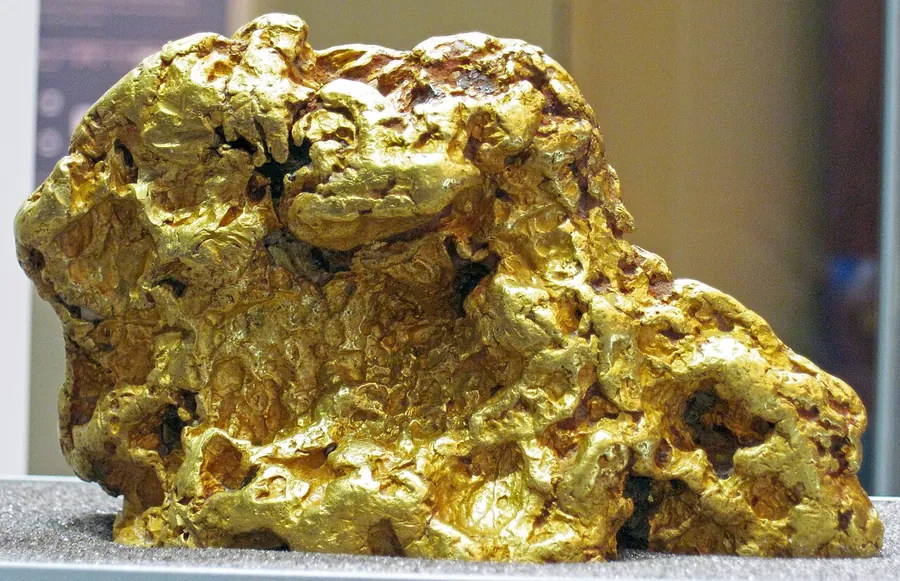
Gold is found in rocks, and sometimes in river sand as grains or little pieces called nuggets. People used to pan river sand in dishes to find grains of gold.
💡 Gold rush
When gold is discovered somewhere, thousands of people rush there hoping to get rich. The most famous gold rush happened in California in 1849.
🎯 More than jewelry
Gold is also used in phones and computers because it conducts electricity well and doesn't rust, in dentistry, and in astronauts' helmets to reflect the Sun's rays.
📸 More pictures
🧩 Test yourself
1 What is special about gold?
2 What do we call a small natural lump of gold?
3 Gold's purity is measured in karats, and pure gold is ?? karats.
4 Which picture shows “Gold”?
🌋 Discover more
📷 Picture sources: Wikimedia Commons
- Alchemist-hp (talk) www.pse-mendelejew.de · CC BY-SA 3.0 de
- Slav4|Ariel Palmon · CC BY-SA 3.0
- James St. John · CC BY 2.0


