🚀 Inventions and machines 📡 Communication
Radio
📖 In short
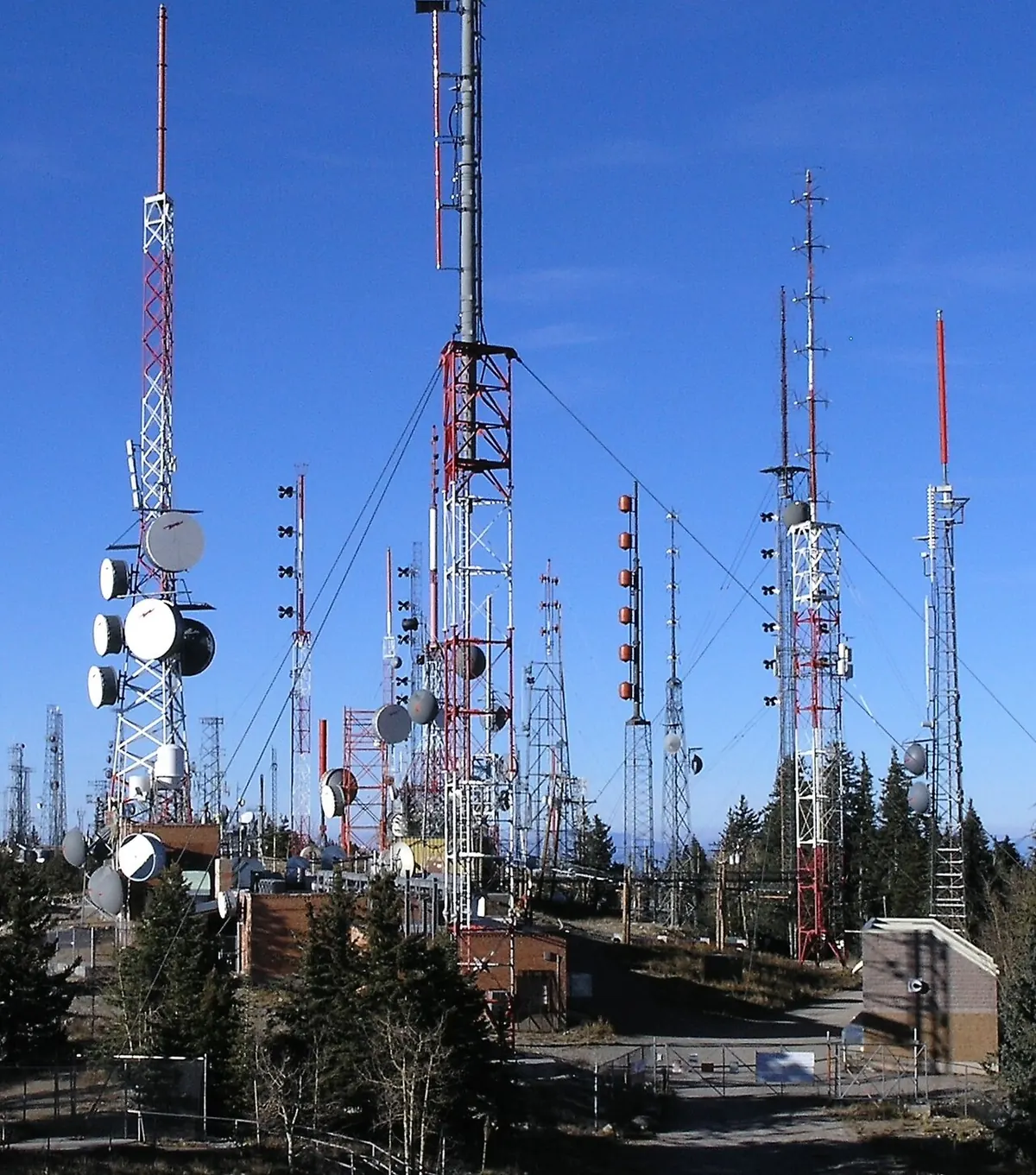
A radio is a device that picks up voices, music and news sent through the air from faraway stations. Thanks to radio, people can hear what's happening in the world, and pilots and sailors can talk to each other.
🤩 Did you know?
- Radio works in three steps: sending the waves, spreading them, and receiving them and turning them into sound.
- Many countries have hundreds of radio stations.
- Astronauts talk to Earth by radio waves.
- Astronomers use radio telescopes that pick up radio waves from stars.
🔎 Find out more
🌟 Invisible waves
A radio station turns sound into special waves called radio waves, which spread through the air at the speed of light. The radio's antenna picks them up and turns them back into sound.
🔍 Stations and numbers
Every radio station has its own number called a frequency. When you turn the dial or press a button, you're choosing the station you want to hear.
💡 Radio's inventors
Many scientists helped invent radio, and one of the most famous was the Italian Marconi, who sent wireless signals across the Atlantic Ocean more than a hundred years ago.
🎯 Radio today
People still listen to the radio in cars, at home and on phones. Radio waves are also used for mobile phones, television and satellites.
🧩 Test yourself
1 How do radio sounds travel?
2 What picks up the radio waves in the set?
3 Which picture shows “Radio”?
🚀 Discover more
📷 Picture sources: Wikimedia Commons
- Maveric149 (Daniel Mayer) · CC BY-SA 3.0
