🚀 Inventions and machines 🏗️ Buildings and structures
The bridge
📖 In short
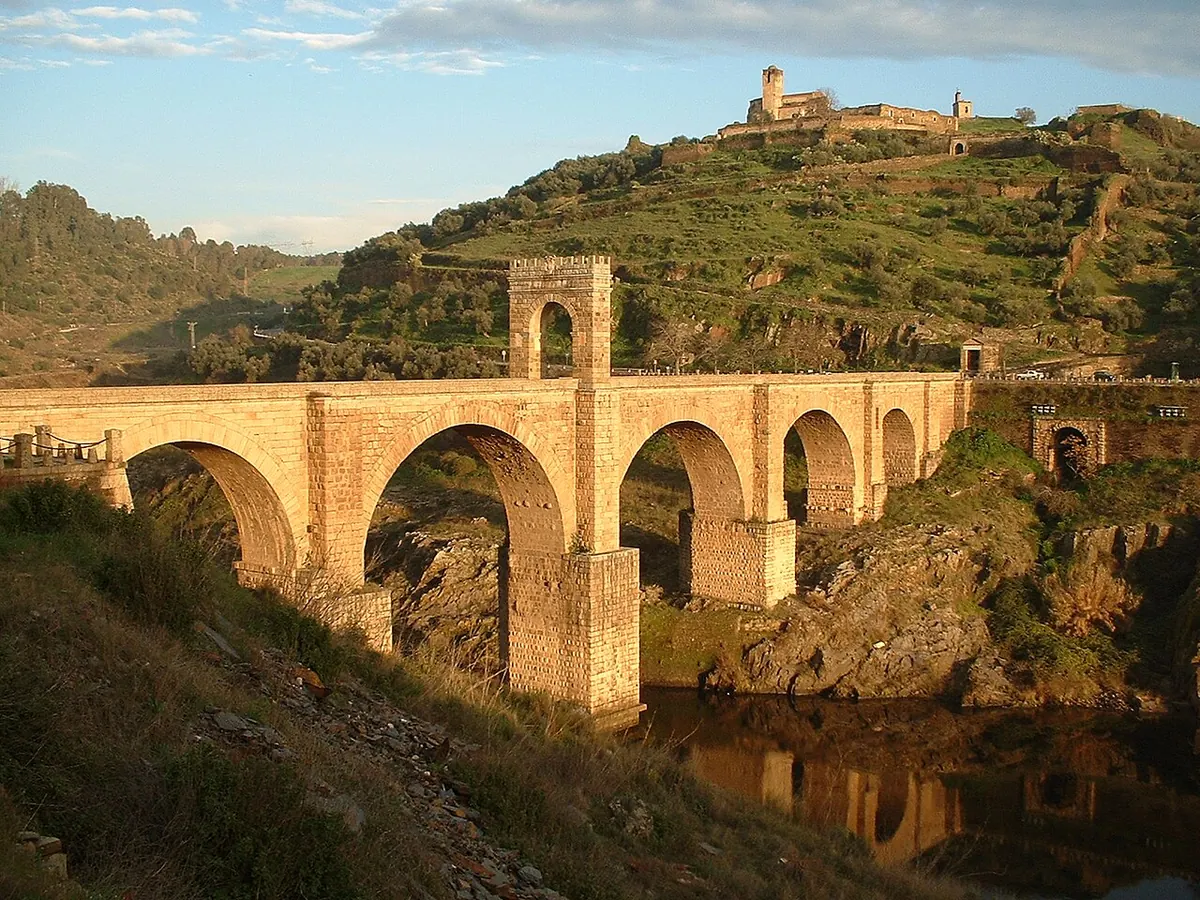
A bridge is a structure that helps people, cars and trains cross rivers, valleys, seas and roads. Without bridges, people would have to cross rivers by boat or go a long way round valleys.
🤩 Did you know?
- The first plate-girder bridge was completed in 1847.
- The first modern cantilever bridge opened around 1870.
- Some modern bridges are more than 100 kilometers long.
- Engineers test small model bridges before building them.
🔎 Find out more
🌟 The first bridges
The first bridges were very simple: a tree trunk fallen across a stream, or ropes hung between the two sides of a valley. Then people learned to build stone bridges with strong arches.
🔍 The arch bridge
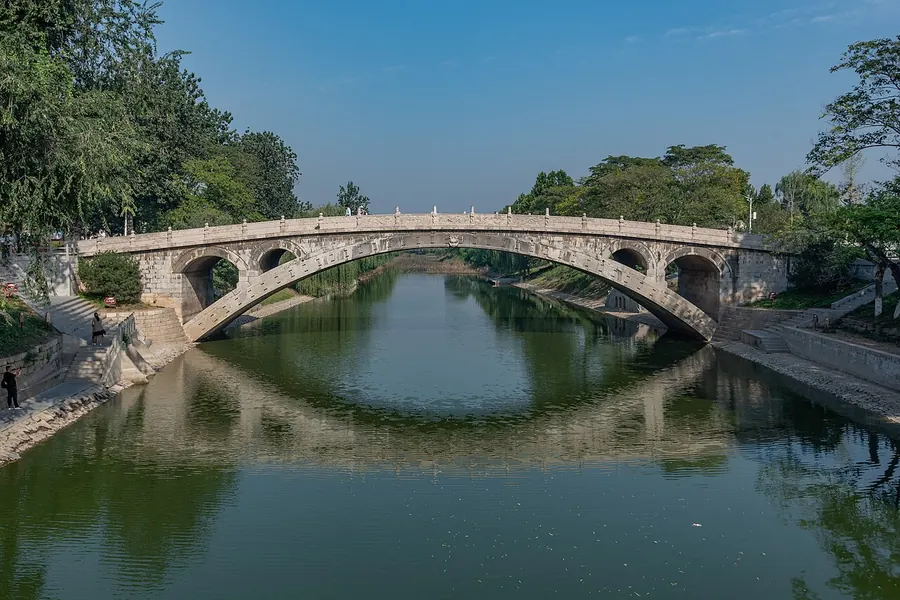
An arch carries the weight and spreads it to both sides, which is why arch bridges are very strong. The Romans built arched bridges and aqueducts, and some are still standing today.
💡 The suspension bridge
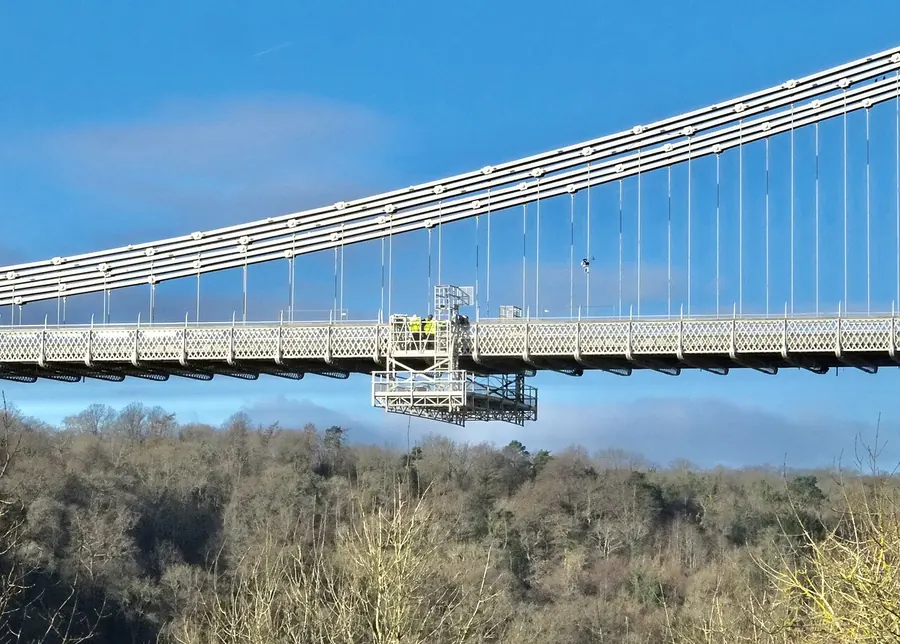
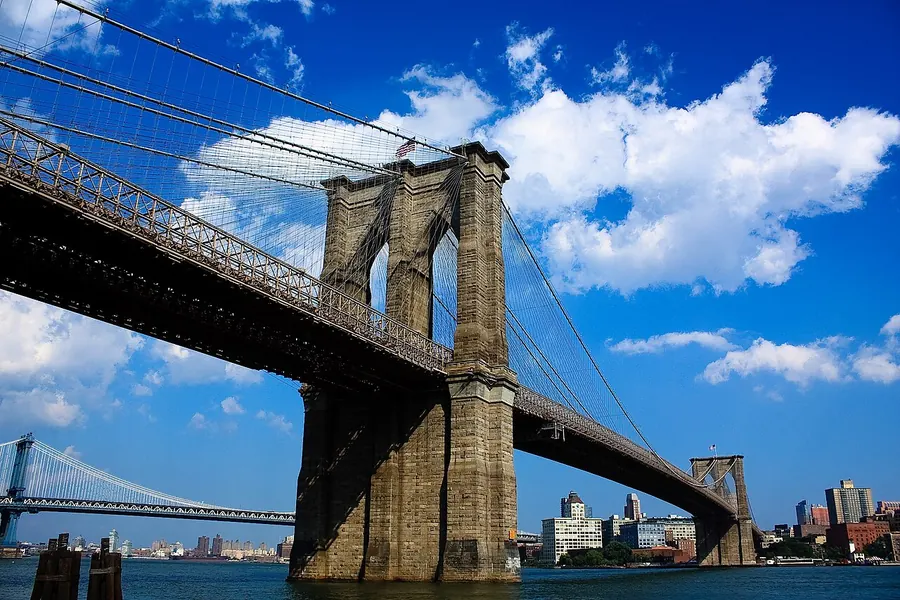
A suspension bridge hangs from huge steel cables stretched between tall towers, and it can cross very long distances over the sea, like the Golden Gate Bridge in America.
🎯 Bridges around the world
There are many famous bridges in the world: Tower Bridge in London, which lifts to let ships through, the King Fahd Causeway linking Saudi Arabia and Bahrain, and the Bosphorus bridges in Istanbul.
📸 More pictures
🧩 Test yourself
1 Why do we build bridges?
2 Which bridge links Saudi Arabia and Bahrain?
3 Some modern bridges are more than ?? kilometers long.
4 Which picture shows “The bridge”?
🚀 Discover more
📷 Picture sources: Wikimedia Commons
- Dantla from de.wikipedia · GFDL
- Anthony O'Neil · CC BY-SA 2.0
- Siyuwj · CC BY-SA 4.0
- Suiseiseki · CC BY-SA 3.0


