Plains
📖 In short
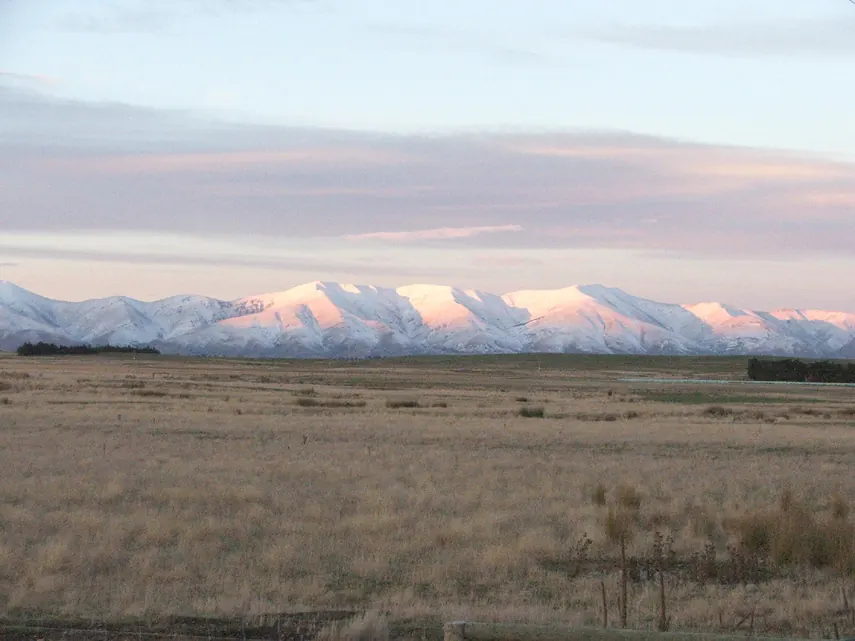
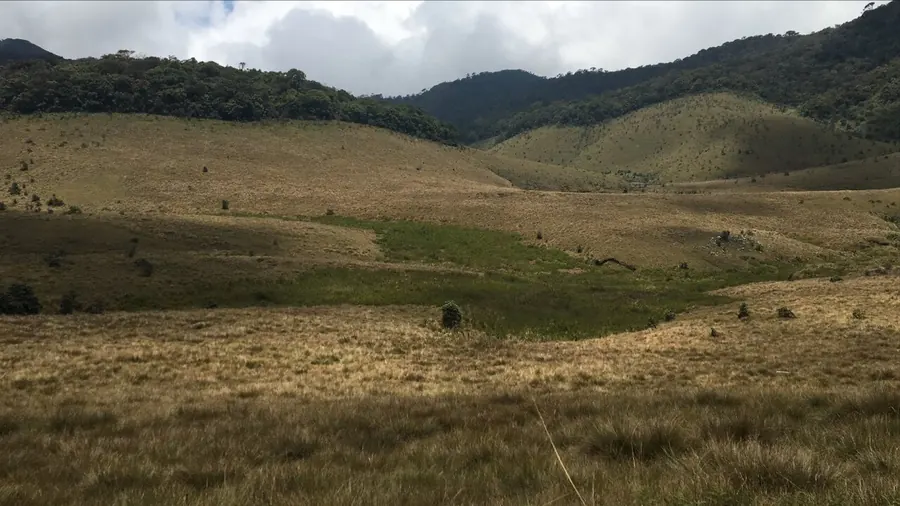
A plain is a wide, almost flat land with no mountains or high hills. Plains are often lower than the land around them, and can be by the sea or inland. Most people live and farm on plains.
🤩 Did you know?
- The biggest river-mud plain in the world is in the valleys of the Ganges, the Indus and the Brahmaputra.
- Floodplains are made of mud carried by rivers.
- The Great European Plain stretches from France to Russia.
- Some plains were once the floor of ancient seas.
🔎 Find out more
🌟 River plains
When a river floods, it leaves rich mud on its banks. Over time very fertile plains form, like those of the Nile, Tigris and Euphrates valleys, where the oldest civilizations began.
🔍 Coastal plains
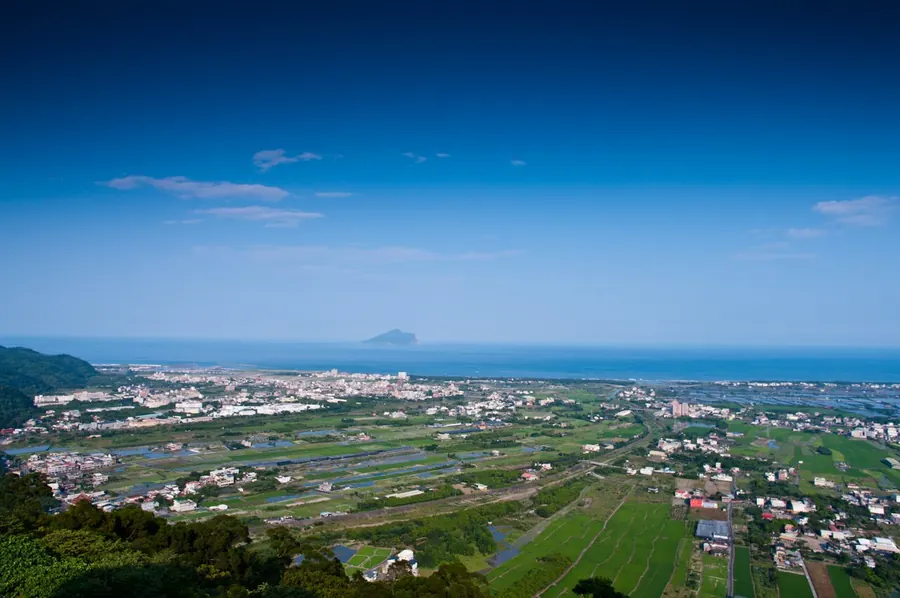
Along seashores there are flat plains stretching from the sea to the mountains or plateaus, where towns and ports are built.
💡 Wide grassy plains
Some continents have huge grassy plains: the prairie in North America, the pampas in Argentina and the steppe in Asia, where big herds graze.
🎯 Why do people like plains?
Plains are easy to farm and to build houses, roads and railways on, because they're flat. That's why most of the world's peoples live on them.
📸 More pictures
🧩 Test yourself
1 What is the land of a plain like?
2 Why are river plains fertile?
3 Which picture shows “Plains”?
🌋 Discover more
📷 Picture sources: Wikimedia Commons
- Original uploader was Grutness at en.wikipedia · CC BY-SA 3.0
- Irdnia · CC BY-SA 4.0
- Flickr user li-penny. · CC BY 2.0


