🫀 My body and food 👀 The senses
Saliva
📖 In short
Saliva is a clear, slightly sticky liquid your mouth makes all day. You may not think about it much, but it's very important: it wets food, helps you chew and swallow, and starts digesting food before it reaches your stomach.
🤩 Did you know?
- People make a lot of saliva every day, enough to fill more than a water bottle.
- There's much less saliva while you sleep.
- Saliva helps you taste food because it dissolves it.
- Saliva contains substances that fight some germs.
🔎 Find out more
🌟 Where does it come from?
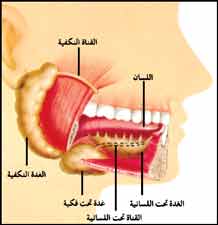
Saliva comes from little glands under your tongue, in your cheeks and under your jaw. When you see or smell tasty food, these glands start working and your mouth waters!
🔍 Digestion begins
Saliva contains a substance that starts digesting starch. Chew a piece of bread for a long time and you'll notice it gets a little sweet, because saliva starts turning it into sugar.
💡 It protects your teeth
Saliva washes bits of food off your teeth and weakens the acids made by germs, helping protect teeth from decay.
🎯 A moist, comfortable mouth
Saliva keeps your mouth moist so you can talk and swallow easily. When you're thirsty or scared, there's less saliva and your mouth gets dry.
🧩 Test yourself
1 What happens to a piece of bread if you chew it for a long time?
2 How does saliva protect teeth?
3 Which picture shows “Saliva”?