🚀 Inventions and machines 🔧 Machines and tools
The steam engine
📖 In short
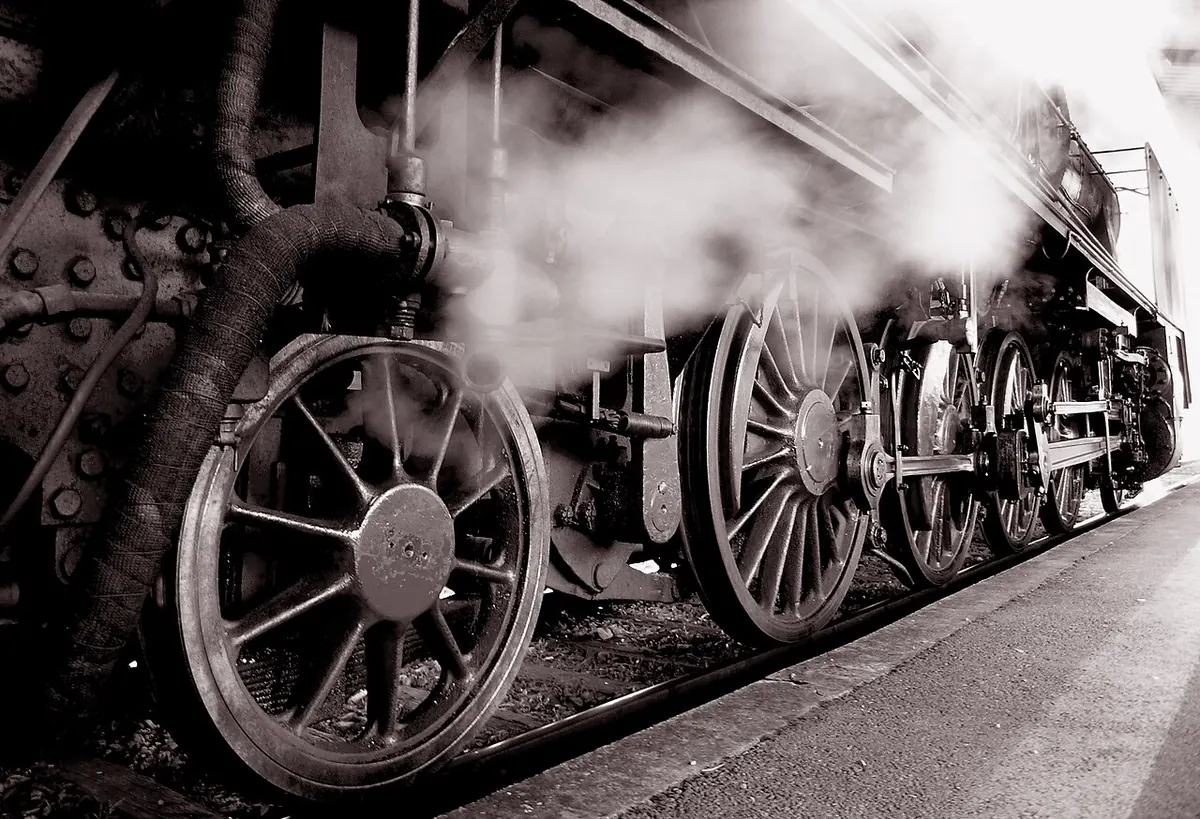
A steam engine runs on the power of steam. When water boils it turns into steam that pushes very hard, moving the parts of the machine. The steam engine changed the world about 250 years ago, powering factories, trains and ships.
🤩 Did you know?
- In the first steam engines the pressure was close to ordinary air pressure.
- In some engines steam can get hotter than 370 degrees.
- Steam locomotives and ships burned coal.
- The Muslim engineer Taqi al-Din described a steam-powered machine about 470 years ago.
🔎 Find out more
🌟 The power of steam
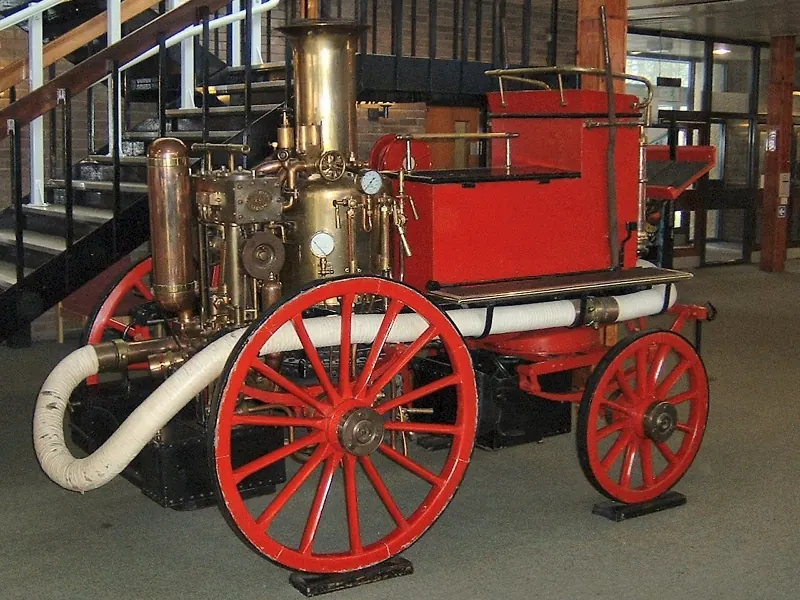
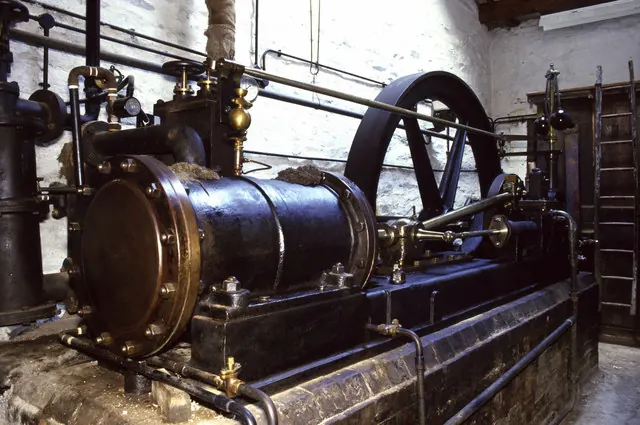
Notice how a kettle lid rattles when water boils: steam is pushing it! In a steam engine, water is heated in a big boiler, and the steam pushes a piston back and forth, turning a wheel.
🔍 James Watt
The Scottish inventor James Watt greatly improved the steam engine, making it more powerful and less fuel-hungry. The unit of power, the “watt”, is named after him.
💡 The Industrial Revolution
Steam engines powered factories, mines, trains and ships, so people began making things in huge numbers, and this age was called “the Industrial Revolution”.
🎯 Steam today
Steam is still important today: in many power stations water is heated into steam that turns huge turbines to make electricity.
📸 More pictures
🧩 Test yourself
1 What drives a steam engine?
2 Who greatly improved the steam engine?
3 In some engines steam can get hotter than ?? degrees.
4 Which picture shows “The steam engine”?
🚀 Discover more
📷 Picture sources: Wikimedia Commons
- Petar Milošević · CC BY-SA 4.0
- Wikimedia Commons · CC BY 1.0
- Chris Allen · CC BY-SA 2.0


