🌳 Plants 🧑🌾 Farming and gardens
Irrigation
📖 In short
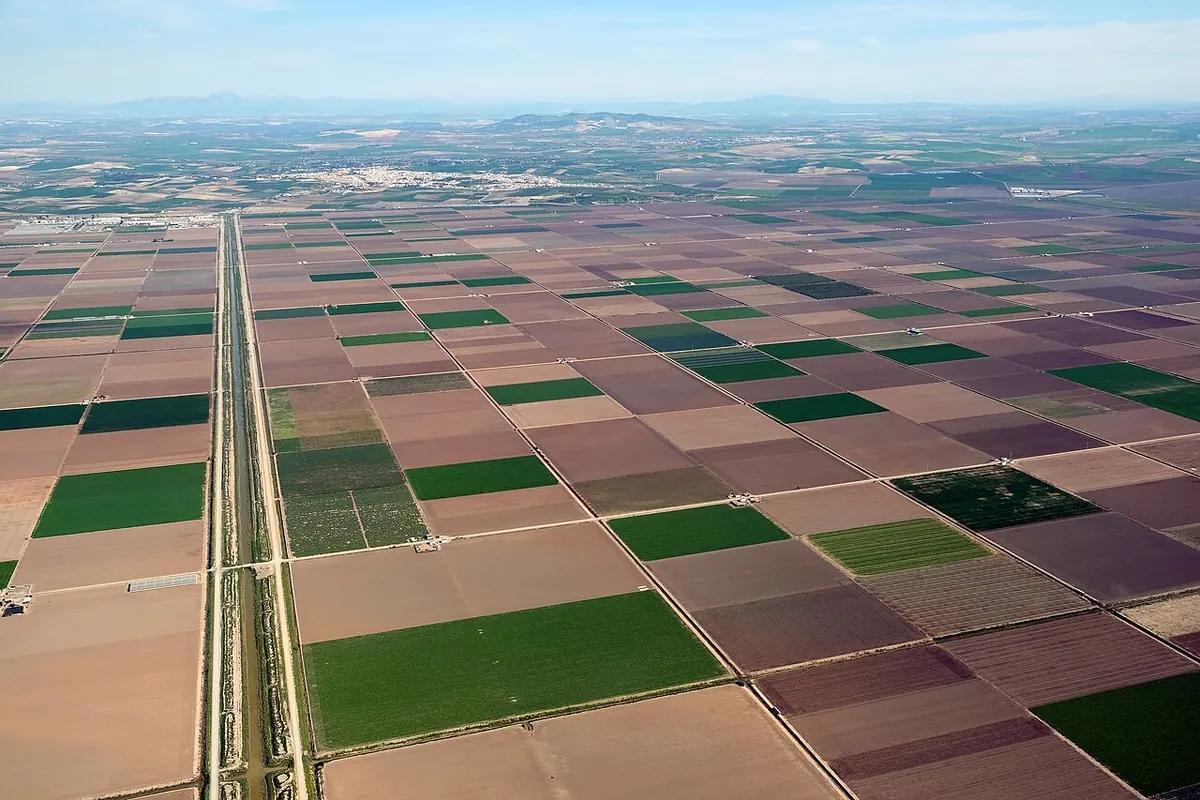
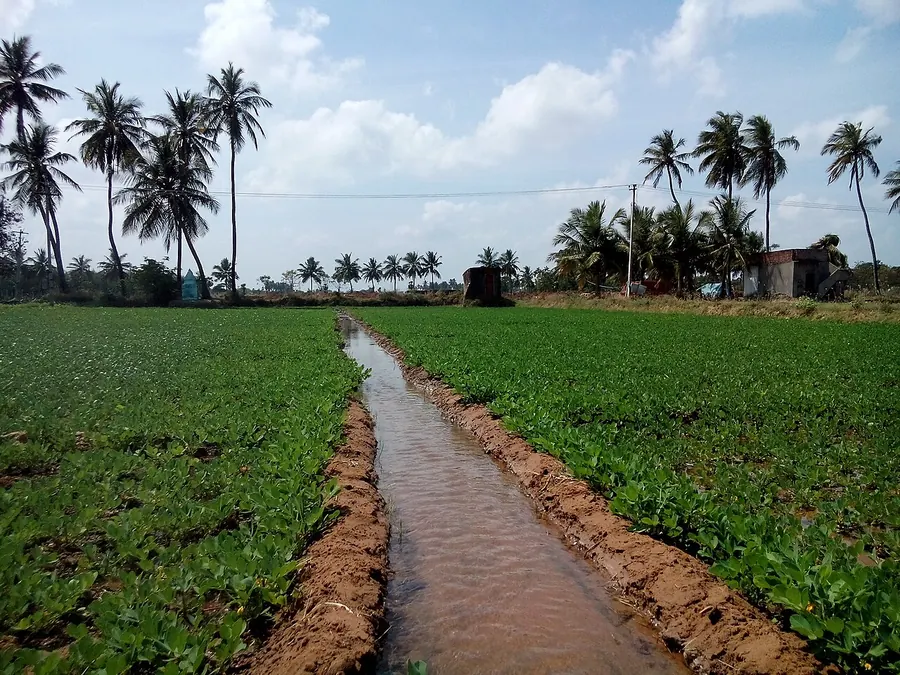
Irrigation means watering land and crops using methods people have made, in places with little or no rain. Irrigation water comes from rivers, lakes, dams and wells, and is carried to the fields in channels and pipes.
🤩 Did you know?
- The ancient people of Mexico and Peru used irrigation about 2800 years ago.
- The Egyptians farmed the banks of the Nile about seven thousand years ago.
- Some big dams store huge amounts of water for irrigation.
- Most of the world's fresh water is used for farming.
🔎 Find out more
🌟 Irrigation in the past
The first civilizations grew up beside rivers like the Nile, the Tigris and the Euphrates, because people dug channels to carry river water to their fields. The Egyptians used the “shaduf” to lift water from the river.
🔍 Waterwheels and aflaj
Long ago people built machines to lift water, like the saqiya turned by animals, and the huge waterwheels of the Syrian city of Hama. In Oman, channels called aflaj carry water from the mountains to the villages.
💡 Drip irrigation
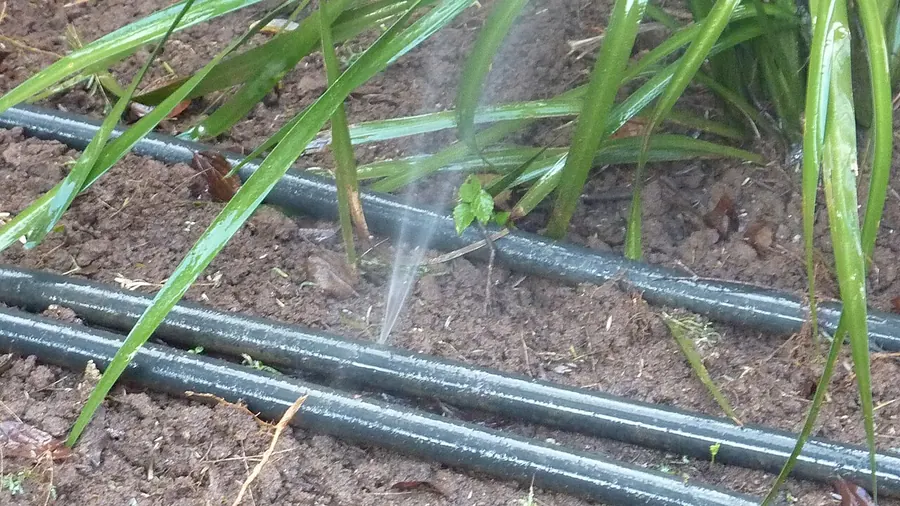
In modern drip irrigation, thin pipes run beside the plants and drip water drop by drop right at their roots, saving lots of water. This is very important in dry countries.
🎯 Sprinklers
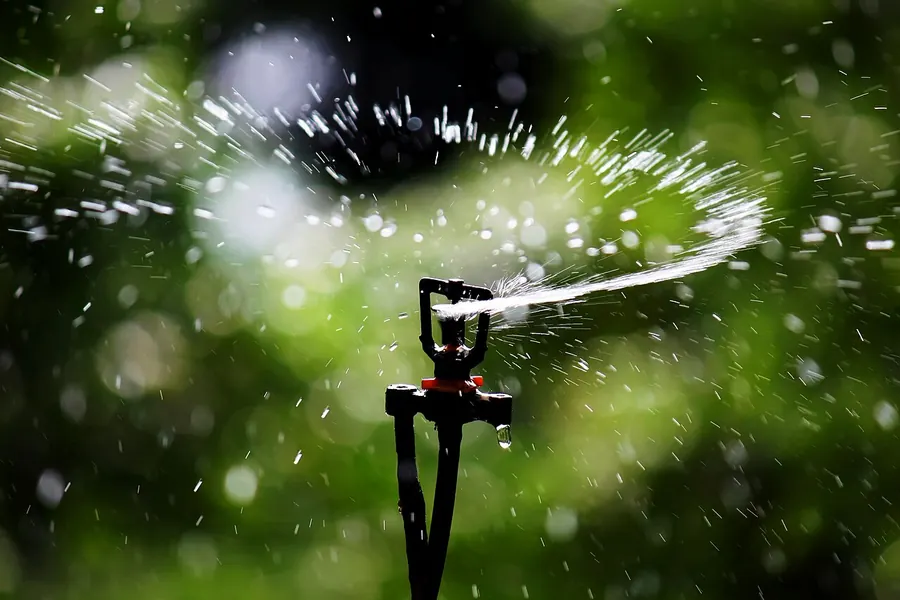
In gardens, sports fields and some farms, sprinklers spin and spray water like light rain.
📸 More pictures
🧩 Test yourself
1 Which way of watering saves the most water?
2 Which Syrian city has famous huge waterwheels?
3 The ancient people of Mexico and Peru used irrigation about ?? years ago.
4 Which picture shows “Irrigation”?
🌳 Discover more
📷 Picture sources: Wikimedia Commons
- kallerna · CC BY-SA 4.0
- Sciencehacker · CC BY-SA 4.0
- Seratobikiba · CC BY-SA 4.0
- Anton · CC BY-SA 4.0


