🌋 Planet Earth ⛈️ Weather and climate
Rain
📖 In short
Rain is drops of water falling from clouds to the ground. It's an important part of the water cycle, watering the land and plants and filling rivers, lakes and wells. Without it, crops don't grow and animals can't live.
🤩 Did you know?
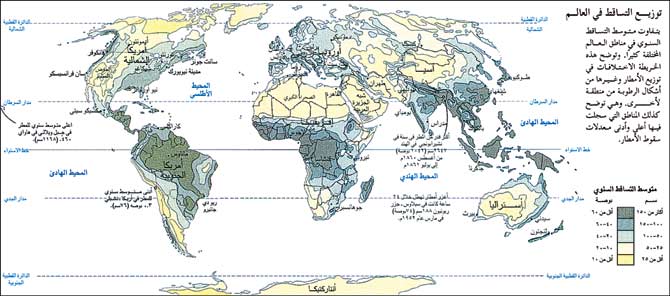
- Australia gets about 42 centimeters of rain a year on average.
- Half of Australia gets no more than 25 centimeters of rain a year.
- A raindrop falls at about 30 kilometers an hour.
- The smell of the earth after rain comes from substances given off by soil and plants.
🔎 Find out more
🌟 How does a raindrop form?
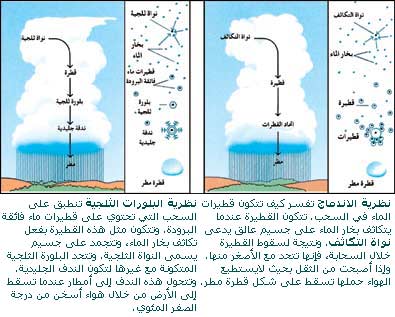
In a cloud, tiny droplets bump together and join, growing bit by bit. When they get heavy, the air can't hold them, so they fall as rain. Sometimes snow melts as it falls and becomes rain.
🔍 A raindrop's shape
We usually draw a raindrop like a tear, but really as it falls it's round or shaped like a bean flattened underneath!
💡 Rain around the world
Some places get rain almost every day, like rainforests, and some hardly ever, like deserts. Mountains make the side facing the sea rainy and the other side dry.
🎯 Measuring rain
Weather scientists measure rain with a special container called a rain gauge, so they know how many millimeters or centimeters fell in a day or a year.
📸 More pictures
🧩 Test yourself
1 Where does rain fall from?
2 What do we measure rain with?
3 Australia gets about ?? centimeters of rain a year on average.
4 Which picture shows “Rain”?