🫀 My body and food 🥗 Food and nutrition
The digestive system
📖 In short
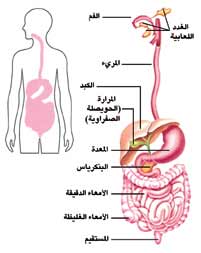
The digestive system is a group of organs in your body that work together to break the food you eat into very tiny pieces that blood can carry to all your cells, giving them energy and helping them grow. It's a long tube that starts at the mouth!
🤩 Did you know?
- An adult's small intestine is about 6 meters long!
- Food takes one to three days to pass through the whole digestive system.
- Your mouth makes a lot of saliva every day.
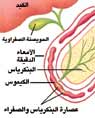
- The liver is the biggest organ inside the body, and it helps digest fats.
🔎 Find out more
🌟 In the mouth
Food's journey begins in your mouth: teeth cut and grind it, saliva wets it and starts digesting it, and the tongue moves it and pushes it to the throat. So chew your food well!
🔍 The esophagus and stomach
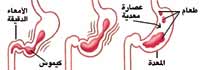
Food goes down a tube called the esophagus to the stomach, a muscular bag that squeezes it and mixes it with strong juices until it's like soup.
💡 The small intestine
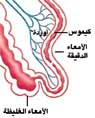
Food moves into the small intestine, a very long tube coiled up in your belly. There digestion is finished, and the useful substances pass through its wall into the blood.
🎯 The large intestine
What's left of the food that the body can't use goes to the large intestine, which takes the water out of it, and then it leaves the body as waste. Vegetables and fruit help the intestines work well.
📸 More pictures
🧩 Test yourself
1 Where does food's journey begin?
2 Where do the useful substances in food pass into the blood?
3 An adult's small intestine is about ?? meters long!
4 Which picture shows “The digestive system”?